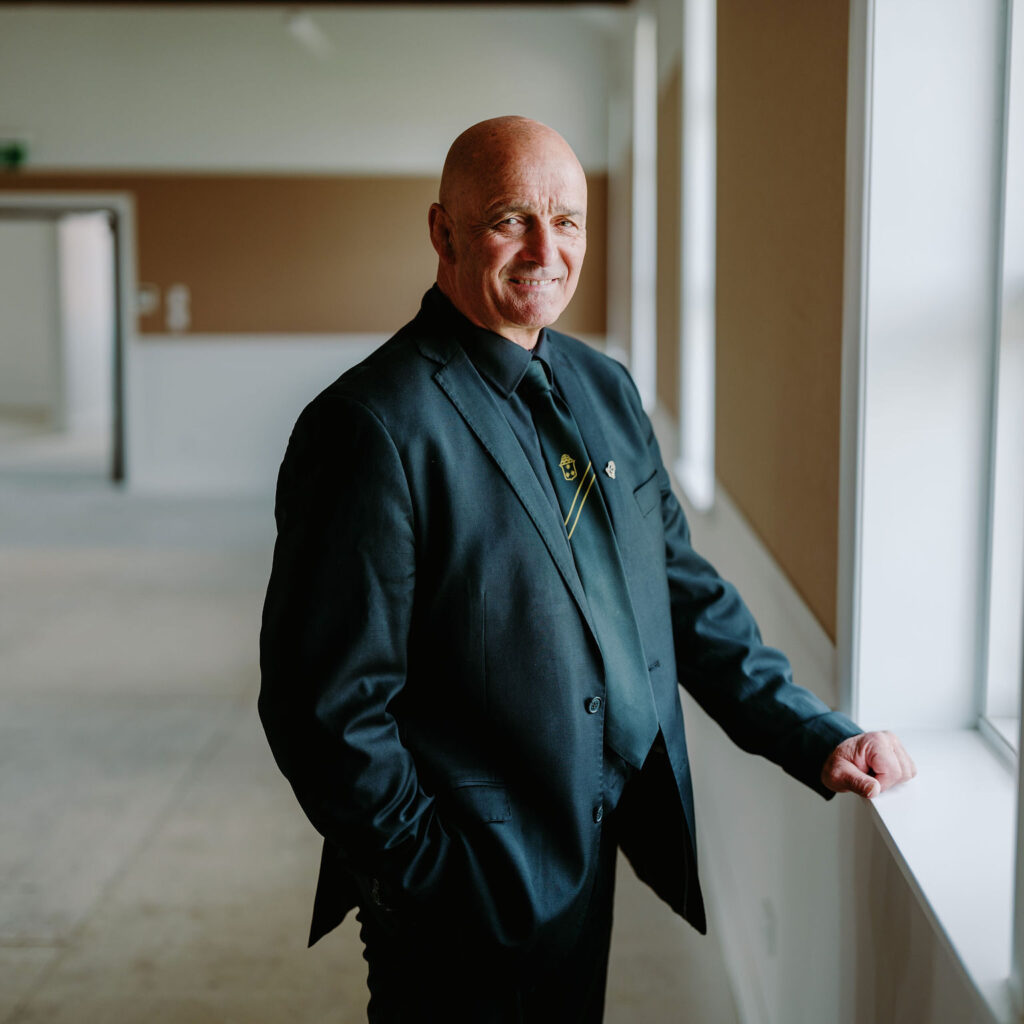
Nathan Durie and Yvette McCauseland-Durie have been described as a “power couple” in Māori Education. The husband and wife team founded Tū Toa school in Palmerston North in 2005 and later Manukura in 2013, and are now taking the plunge into reopening historic Tipene St Stephens, a Māori boys boarding school.
Reviving a Historic Māori School
Nathan says Tipene is regarded as the first school in New Zealand, having opened its doors in 1844 in Te Araroa on the East Coast. Since then it has moved a number of times but has been based in Bombay since 1931.
“It has been known as a Māori boys boarding schools but it is open to all people, with a particular focus on Māori and Pacifika boys, who from a Māori perspective are one and the same,” he says.
The first intake of year 9 and 10 will start school on February 6, Waitangi Day. There will be 40 students in 2025, with plans to build the roll up to 250-to-300 students, but facilities will need to be brought up to scratch over the next 5 years or so to accomodate them. Demand has been high, and not all applicants could be accommodated in this first intake.
An ex-student of the historic school, Nathan says it closed in 2000 for a number of reasons including the loss of funding, but a big one was that it had lost its relevance to where Māori were heading at the time, educationally.
“The Kōhanga Reo movement had taken traction as a different option and Tipene struggled to stay abreast of that. However, If you were to compare it to what was happening in the mainstream for Māori boys, even then it was doing better.
“The last 24 years has provided an opportunity to reflect and evolve something relevant moving forward. Not as competition to Wharekura (the equivalent of high school in Māori education), but as an education model that allows Māori and Pacifika men to have a level of success that is not being experienced across education.”

Rethinking Education for Māori Boys
As one might expect, Nathan says the school will have a strong focus on Māori language and tikanga, creating an educational environment conducive to Māori boys, as there is a need to focus in that area given current statistics. Yvette and Nathan have spent years looking at how education models can be changed to be more student focussed, and Nathan says that operating a boarding school like Tipene allows them to experiment.
“I am a real fan of challenging the role of timetables in schools. As much as they are instruments of necessity, they strangle a lot of opportunity. We are looking at how we periodise our day. We’ll begin with exercise for example, then eat, and focus the first three hours up to lunchtime on those core curriculum areas.
“Then we want to get out of the classroom. We have 400 acres of land here, we are on the back door of the biggest city it New Zealand, we have so much history right outside our gates that we should be taking our kids into being active and physical.”
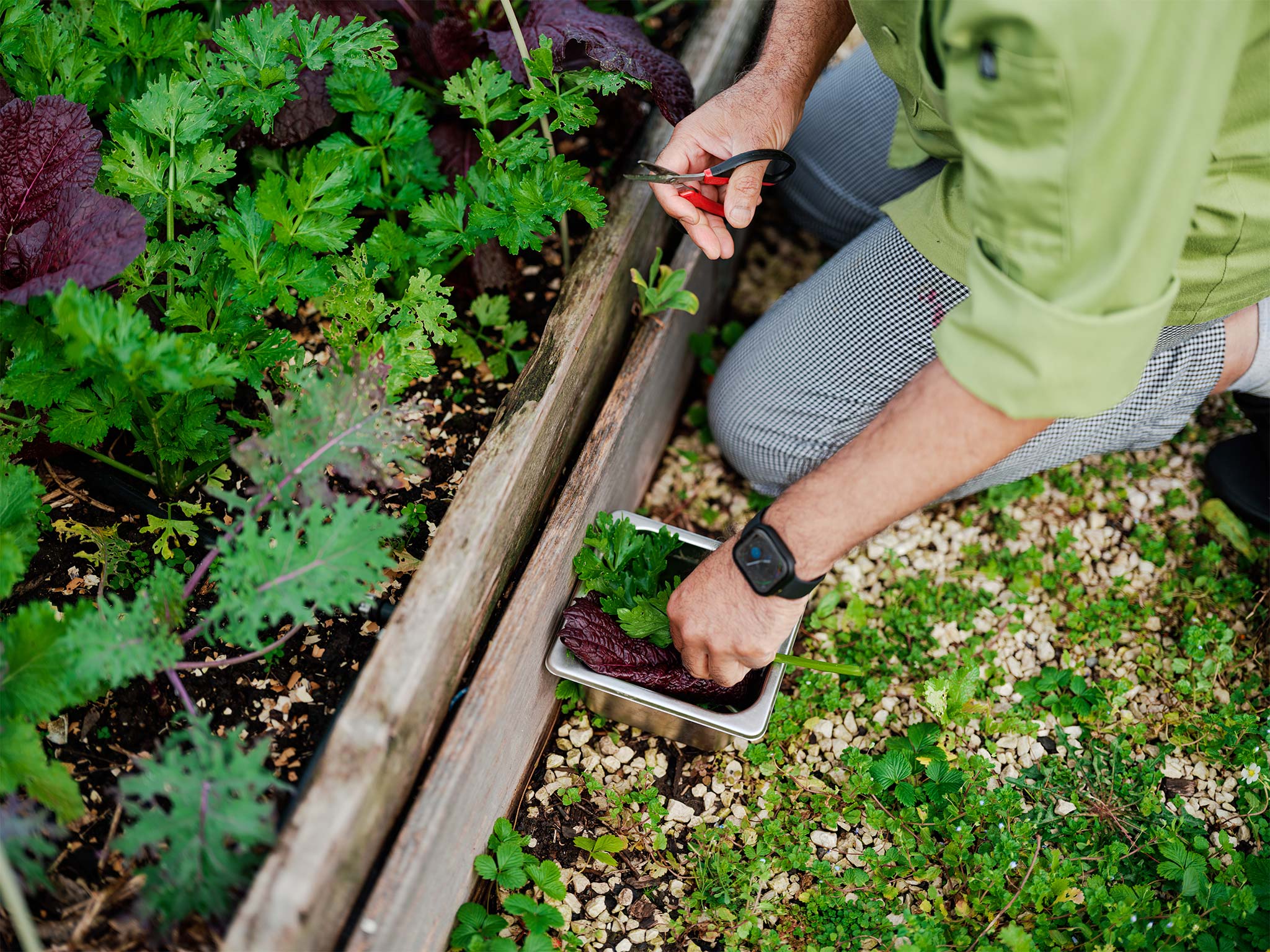
To this end, farming operations will be part of the curriculum at Tipene, teaching students how to grow food for their community, learning practical career skills, and looking at different types of farming and land management practices.
“Māori are still the biggest landowner of farmland in this country, and if we can upskill people to go back into the areas of New Zealand, particularly to unproductive areas, and through new ways, new science to make that land more productive, then it can make employment become a reality.” Nathan says.
Building a Sustainable Future
Tipene has applied to become a charter school, which can provide part of the funding needed to get the boarding school and running again, along side the investment from the St Stephens Queen Victoria Trust, and revenue from farming operations.
“The trust has made a massive commitment and need to be congratulated for their courage to do this because there were a few unknowns, and the other part of it was their determination to make this available to the people we are targeting. It needs to be affordable. And so the creation of these other revenue streams across the farm and others areas is a commitment from them to Māori boys education and part of their fiduciary responsibility.”